





The Philippines at Twelve Nights: The Trip That Surprises Everyone
Philippines — 12 Nights: Covers Manila and the Palawan archipelago. From $4,555 per person.
The specific routing is adjusted by season — some areas are inaccessible during the rainy season (June through October).
The Philippines fills up for peak season (November through May) faster than most clients expect. Contact us early.
The Philippines at Twelve Nights: The Trip That Surprises Everyone
The Philippines is 7,641 islands. It has more coastline than the continental United States. Its waters contain some of the highest marine biodiversity on the planet. The rice terraces of Banaue, carved into the mountains of Luzon 2,000 years ago, are a UNESCO World Heritage Site. Most Americans have never been.
Why Twelve Nights?
The Philippines requires time because it requires travel. Moving between islands means boats or domestic flights. Trying to see it in seven nights means spending a significant portion in transit. Twelve nights allows for a routing that includes the Palawan archipelago and one or two additional island groups.
Palawan: The Main Event
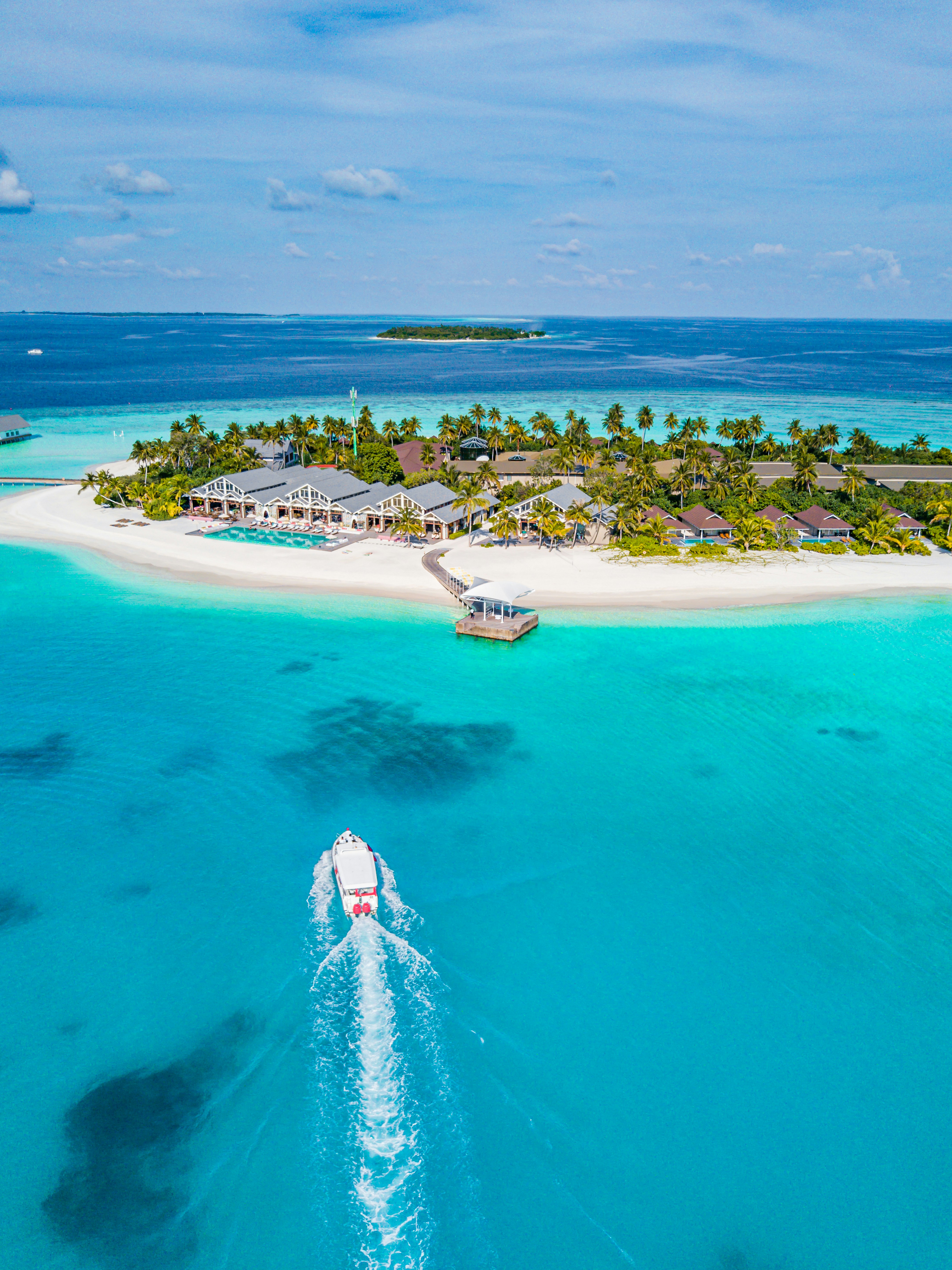
Palawan is consistently ranked among the world's most beautiful island destinations. El Nido, at the northern tip, is surrounded by limestone karst islands rising from turquoise water. The snorkeling and diving here is among the best in Asia.
The Tubbataha Reef — accessible by liveaboard from Puerto Princesa — is a UNESCO World Heritage Site and one of the most pristine coral reef systems on earth.
The Cultural Dimension
The Philippines has a history unlike anywhere else in Southeast Asia — 333 years of Spanish colonization followed by nearly half a century of American governance. The result is a country that is Catholic, baseball-loving, English-speaking, and deeply Filipino in ways no outside influence has managed to erase.
The local food — lechon, sinigang, kare-kare, extraordinary fresh seafood — is one of the great undiscovered cuisines in travel. The hospitality of Filipino people is something clients mention universally.
The operators we work with in Palawan employ former fishing families who have transitioned to tourism — creating direct economic incentives for reef protection.
Related blogs
Lorem ipsum dolor sit amet consectetur. Adipiscing eget risus tempus facilisis scelerisque vitae consectetur vitae. Amet faucibus venenatis donec mattis.




Follow the latest travel and destination updates from Unforgettable Travel


